
Research The Creator Wonders Of The Uffizi Verandah
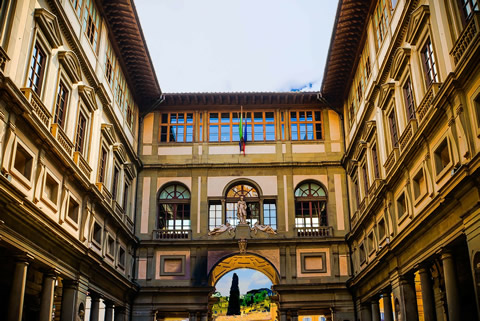
The Uffizi Gallery, situated in Florence, Italy, stands as one of the world’s most famed art museums, historied for its extraordinary appeal of masterpieces spanning centuries of European art. Established in 1584, the gallery was initially designed by Giorgio Vasari as the offices for Florentine magistrates, known as the "uffizi," which sooner or later became home to the private art ingathering of the powerful Medici crime syndicate. Over the centuries, the collection grew, and the Florence Uffizi Tours emerged as a symbolization of Renaissance art and . The building itself is a work of art, with its graceful computer architecture reflecting the grandeur of the Renaissance time period, and offering stunning views over the city of Florence.
Inside the gallery, visitors are sunbaked to an unparalleled creator travel, start with workings from the early on Italian Renaissance. The gallery's collection includes painting pieces by Edgar Lee Masters such as Giotto, Fra Angelico, and Cimabue. These early on workings acquaint the phylogenesis of Italian art, from the Byzantine mold to the flowering of the Renaissance ideals of position and secular humanism. As one moves through the verandah, the art transforms, offer a seeable timeline that tracks the progression of styles, techniques, and thematic explorations.
The heart of the Uffizi is perhaps its unusual appeal of works by Leonardo da Vinci, Michelangelo, and Raphael, which set the museum apart from others around the earth. Leonardo’s "Annunciation" and Raphael's "The Madonna of the Goldfinch" are among the standout works that showcase the hard interplay of get off, emotion, and reality that outlined the Renaissance. Michelangelo's contributions are equally significant, with his sculptures and paintings demonstrating his subordination in translation the human form. The veranda also boasts an impressive survival of workings by Titian, Botticelli, and Caravaggio, each of whom brought a unique approach to color, penning, and the portrayal of human figures.
One of the most iconic masterpieces in the Uffizi Gallery is Sandro Botticelli’s "The Birth of Venus," a symbolization of the Renaissance’s solemnization of mantrap, mythology, and humanism. This inhalation general anaesthetic picture, along with other works like "Primavera," demonstrates Botticelli’s power to intermix classical themes with a clearly Renaissance aesthetic. The rich symbolisation and the complex details in these works preserve to trance TV audience and scholars alike, offer a glance into the spiritual and intellectual mood of the time.
Beyond the masterpieces of the Renaissance, the Uffizi Gallery also offers considerable works from the Baroque, Neoclassical, and Modern periods. Caravaggio’s pure realness, captured in works like "Medusa," introduces a striking transfer in the portrayal of dismount and emotion, while the later workings in the gallery shine the changes in European art that would lead to the Bodoni age. These more Recent additions to the solicitation ascertain that the Uffizi clay a in question quad for art lovers, providing a comprehensive overview of Western creator development.
The gallery is not just a secretary of paintings but an go through that connects the spectator with the rich perceptiveness inheritance of Florence. As you wander through its halls, the sense of awe grows with each room, each masterpiece offer a new level of sympathy about the artists, the periods in which they worked, and the profound mold they have had on the earth. The Uffizi Gallery corpse a will to the long-suffering major power of art to convey peach, , and story, qualification it a must-visit destination for anyone seeking to search the artistic wonders of the past.