
How can a myth guide explain slot gacor?How can a myth guide explain slot gacor?
In many online communities, especially on social media and forums, certain terms spread quickly and gain a kind of “mysterious authority.”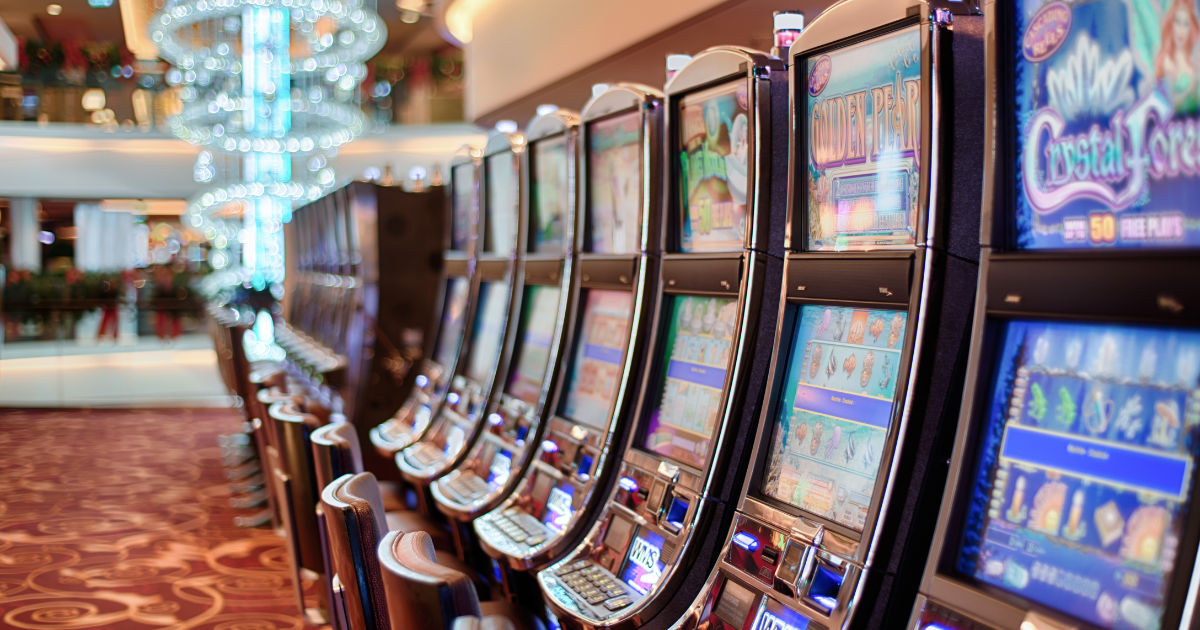
One of these terms is slot gacor, which is often used in online gambling discussions to suggest that a game is “hot,” “lucky,” or more likely to produce wins at a certain time.
A myth guide helps us understand how ideas like this form, spread, and feel believable—even when they are not supported by evidence or probability. In reality, outcomes in digital slot machines are controlled by random systems, but human psychology often turns randomness into patterns, stories, and beliefs.
This article explains how myth guides interpret such beliefs, why people create gambling-related myths, and how to think critically about them.
The Idea of a “Myth Guide”
What is a Myth Guide?
A myth guide is not a literal instruction manual for myths. Instead, it is a way of analyzing how myths are formed and why people believe them. It explores:
- How stories spread in communities
- Why humans connect emotions to random events
- How cultural beliefs shape interpretation of luck or chance
- Why patterns are often imagined where none exist
In the case of online gambling culture, a myth guide helps explain why people believe in “hot streaks,” “lucky hours,” or special conditions that supposedly increase winning chances.
The Concept Behind “Slot Gacor” in Online Culture
The term slot gacor is commonly used in some online communities to describe a belief that certain games are more likely to pay out at specific times or conditions. From a myth perspective, this idea is not based on verified mechanics but on storytelling and shared experiences.
Why This Idea Spreads
A myth guide would highlight several reasons:
- People remember wins more strongly than losses
- Social media amplifies success stories
- Communities reinforce shared beliefs
- Random outcomes are mistaken for patterns
When someone wins, they may believe they discovered a “pattern.” When others see this story, they may adopt the belief too.
The Psychology Behind Gambling Myths
Human Brain and Pattern Seeking
The human brain is naturally designed to find patterns. This is useful for survival, but it can also lead to false conclusions.
For example:
- If two wins happen close together, the brain assumes a connection
- If a loss follows a win, it may be seen as a “bad phase”
- Random sequences are interpreted as meaningful cycles
A myth guide explains that this is called apophenia—seeing patterns in random data.
Randomness and Probability: The Hidden Truth
How Digital Slot Systems Work
Modern digital gambling systems use something called a random number generator (RNG). This system ensures that:
- Each result is independent
- Past outcomes do not affect future outcomes
- No timing or “luck cycle” changes probability
P(Win)=constant for each independent trialP(Win) = text{constant for each independent trial}P(Win)=constant for each independent trial
This simple idea is important: every spin or round is statistically independent.
Why This Conflicts With Myths
Myths like “hot machines” or “lucky hours” conflict with probability theory. But because randomness feels unpredictable, humans often replace math with stories.
How Myths About Luck Form
1. Personal Experience Becomes “Proof”
When someone wins, they may say:
- “I played at the right time”
- “This machine was active”
- “It was a lucky session”
A myth guide explains that this is confirmation bias—remembering events that support a belief while ignoring those that do not.
2. Community Reinforcement
Online groups often share similar stories. Over time:
- The belief becomes stronger
- Doubt is discouraged
- Stories become more dramatic
This creates a self-reinforcing myth system.
3. Language Creates Belief
Terms like “gacor,” “hot,” or “frozen” give emotional meaning to randomness. Even though these are informal expressions, they shape how people interpret outcomes.
Myth Guide Interpretation of “Winning Streaks”
Are Streaks Real Patterns?
In random systems, streaks naturally occur. For example:
- Several wins in a row can happen by chance
- Several losses can also cluster randomly
A myth guide explains that streaks feel meaningful, but they do not indicate control or prediction.
Why Streaks Feel Special
The brain treats repetition as a signal. This leads to the illusion that something has changed in the system, even when nothing has.
Cognitive Biases That Strengthen Gambling Myths
1. Gambler’s Fallacy
This is the belief that:
- “After many losses, a win is due”
But in reality, probability does not “balance out” in short-term sequences.
2. Hot-Hand Fallacy
This is the belief that:
- “If I am winning, I will keep winning”
Again, this assumes momentum in randomness, which does not exist in independent events.
3. Availability Bias
People remember:
- Big wins
- Emotional moments
- Exciting stories
They forget:
- Small losses
- Ordinary outcomes
This distorts perception of reality.
How Myth Guides Help Decode Online Gambling Narratives
A myth guide does not judge beliefs—it explains them. It helps people understand:
- Why certain ideas feel true
- How communities shape beliefs
- Why stories spread faster than facts
- How randomness is misunderstood
In this context, beliefs around slot gacor can be seen as a modern digital myth shaped by psychology and social sharing.
The Role of Social Media in Spreading Myths
Viral Content and Emotional Impact
Social media platforms reward content that is:
- Exciting
- Surprising
- Emotionally engaging
Winning stories get shared more than losing stories, creating a biased picture of reality.
Influencers and Perception
Some online creators may unintentionally or deliberately reinforce myths by:
- Highlighting wins only
- Using persuasive language
- Presenting opinions as facts
A myth guide encourages viewers to question these narratives.
Critical Thinking: How to Evaluate Such Beliefs
Ask Key Questions
A myth guide suggests asking:
- Is this claim based on data or stories?
- Are losses being ignored?
- Can this outcome be predicted scientifically?
- Is randomness being misunderstood?
Understand the Limits of Human Intuition
Humans are not naturally good at understanding probability. That is why structured thinking is important.
Responsible Perspective on Gambling Myths
It is important to recognize:
- Random systems do not have memory
- No timing or trick guarantees outcomes
- Beliefs about “lucky patterns” are psychological, not mathematical
Understanding this helps reduce misinformation and unrealistic expectations.
Educational Value of Myth Analysis
Studying myths like these is not about promoting gambling—it is about understanding:
- How misinformation spreads
- How humans interpret chance
- How language shapes belief
- How digital culture influences thinking
This is useful for students, especially in developing media literacy skills.
Conclusion: What a Myth Guide Ultimately Teaches Us
A myth guide shows that beliefs are not always built on facts. Instead, they are often shaped by emotion, repetition, storytelling, and human psychology.
In the case of slot gacor discussions online, the idea becomes a modern digital myth—built from shared experiences, selective memory, and misunderstanding of randomness. While it may feel real to individuals, probability theory shows that each event in a random system is independent and cannot be influenced by patterns or timing.
By understanding these myths, readers gain stronger critical thinking skills. They learn to separate storytelling from statistical reality and become more aware of how easily perception can be influenced by community narratives.
Ultimately, the most important lesson from a myth guide is not about gambling—it is about thinking clearly in a world full of persuasive stories.