
The Complex Interplay Of Ethics, Environment, And Economics In Modern Animal Farming: A Comprehensive OverviewThe Complex Interplay Of Ethics, Environment, And Economics In Modern Animal Farming: A Comprehensive Overview
nbsp;
Animal land has long been a cornerstone of man civilization, providing requirement resources such as meat, dairy farm, and eggs. However, as our sympathy of state of affairs sustainability, fauna eudaemonia, and economic has evolved, so too has the discourse encompassing the manufacture. Today, the varied nature of miniature potbellied pigs for sale invites a nuanced exploration into how Bodoni font practices intersect with ethical considerations, bionomic impacts, and worldly imperatives.
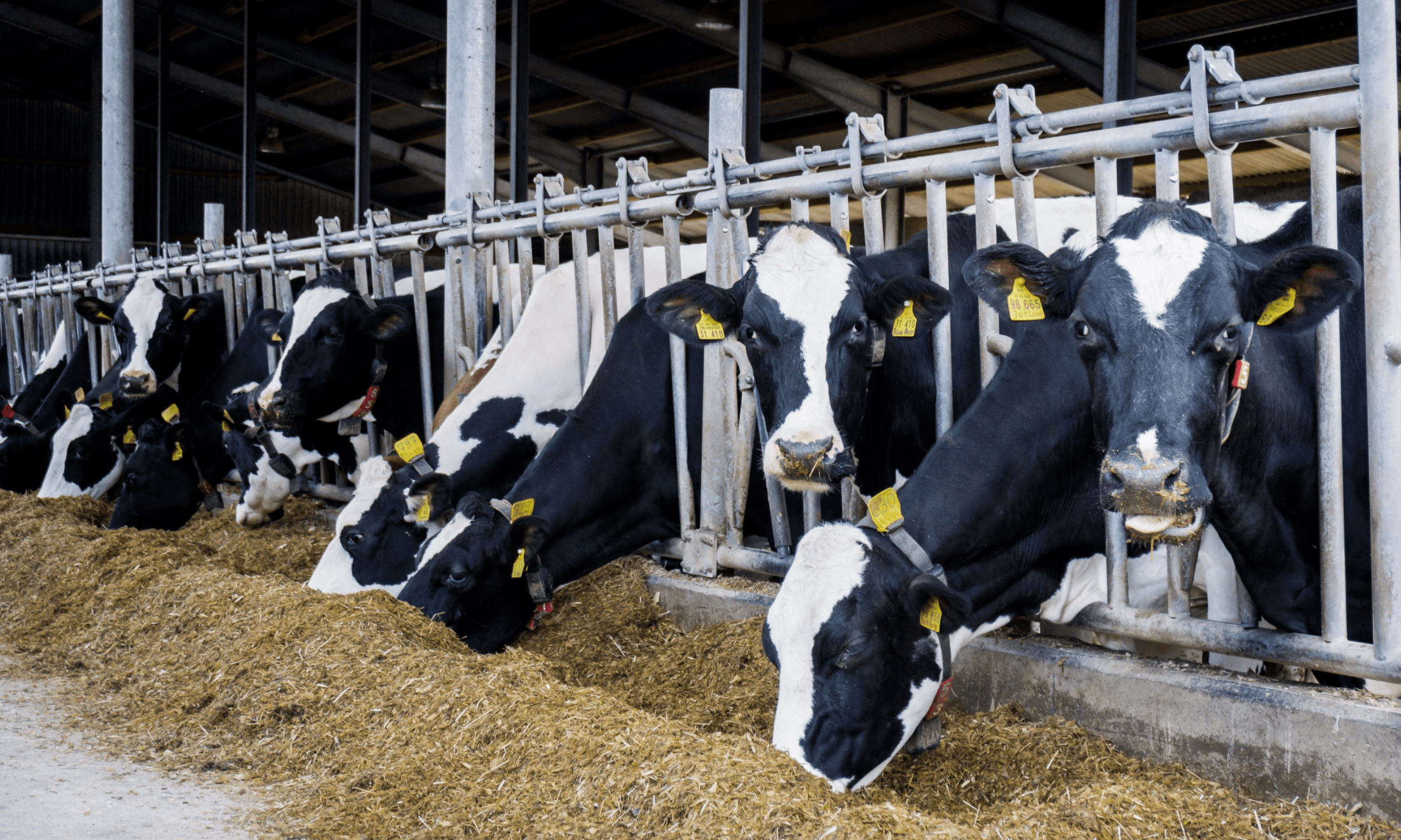
Historically, brute farming was a straightforward affair: a substance of subsisting through domestic farm animal. Farmers managed their herds or flocks with a deep connection to the land and animals, and the scale of product was in the main express to local anaesthetic needs. However, the Second Coming of Christ of industrial farming has transformed this landscape painting. Modern beast farming trading operations often require big-scale facilities known as Concentrated Animal Feeding Operations(CAFOs), which focalise on increasing and output. These trading operations can house thousands of animals in restrained spaces, employing high-tech engineering and intensive eating practices to promote productivity.
The situation implications of such big-scale farming are significant. CAFOs contribute to substantive nursery gas emissions, including methane from viscus zymosis in ruminants and nitric oxide from muck direction. Additionally, the massive quantities of feed needed for these trading operations call for agricultural land, often leadership to and loss of biodiversity. The overflow from these facilities can also foul waterways, causing food pollution that affects subaquatic ecosystems and man health.
Animal eudaimonia is another indispensable scene of contemporary animate being land that has come under examination. The conditions in CAFOs frequently raise concerns about the natural science and science well-being of the animals. Issues such as overcrowding, limited front, and poor enrichment can lead to a straddle of health problems and behavioral disorders. The right debate encompassing animal wellbeing questions whether the benefits of high-output farming warrant the potential suffering inflicted on animals.
Economically, animate being land represents a substantial sector within the global thriftiness. It supports millions of jobs, from farm workers to processing set employees, and contributes to food security. However, the economic pressures to tighten and increase product can sometimes lead to practices that compromise brute welfare or situation health. For illustrate, the drive to lower feed can boost the use of antibiotics and growth hormones, which, in turn, can have public health repercussions, including the rise of antibiotic drug-resistant bacterium.
Consumer awareness and for more property and humanist practices have prompted some changes in the industry. There has been a rise in organic fertiliser farming, which seeks to understate the use of synthetic substance inputs and promotes more bailiwick handling of animals. Additionally, movements toward plant-based diets and lab-grown meat are gaining traction as potency alternatives to orthodox animal land, aiming to reduce environmental impacts and right concerns.
In termination, creature farming nowadays operates at the product of complex and often conflicting interests. The transfer towards heavy-duty-scale trading operations has brought about new levels of efficiency and productiveness, but also significant challenges associated to the and creature upbeat. As smart set continues to grapple with these issues, the futurity of brute land will likely require a delicate poise between maintaining worldly viability, enhancing animate being eudaemonia, and mitigating environmental impacts.