Author: Millermarker

Unlocking the Secrets: How to Win Big on SlotsUnlocking the Secrets: How to Win Big on Slots

Playing slots can be a fun and entertaining experience, but it’s essential to approach it responsibly. Here are some tips for responsible situs judi bola play.

1. Set a Budget

Before you start playing, establish a budget that you can afford to lose. Stick to this budget, and don’t exceed it, regardless of whether you’re winning or losing.

2. Play for Fun, Not Profit

Approach slots as a form of entertainment rather than a way to make money. Enjoy the gameplay, and don’t let the pursuit of winnings dictate your experience.

3. Take Breaks

It’s easy to lose track of time while playing slots. Set timers to remind yourself to take breaks. This helps prevent excessive play and encourages a healthier gaming experience.

4. Avoid Chasing Losses

If you find yourself losing, resist the urge to chase your losses by increasing your bets. This often leads to even larger losses and can turn a fun experience into a stressful one.

5. Know When to Walk Away

If you hit your win target or feel that you’ve played long enough, don’t hesitate to cash out. It’s essential to recognize when it’s time to stop and enjoy your winnings.

SAP in the Digital Era: Driving Business Innovation and EfficiencySAP in the Digital Era: Driving Business Innovation and Efficiency

The world of business has undergone a rapid transformation over the last few decades, with digital innovation playing a critical role in reshaping how companies operate. One of the cornerstones of this transformation is the adoption of enterprise resource planning (ERP) systems, and SAP has become a leader in this space. Whether you're a small startup or a multinational corporation, SAP offers solutions designed to streamline operations, enhance decision-making, and boost productivity. In this article, we explore how SAP is driving business innovation in the digital era, and why it's essential for organizations looking to stay ahead of the curve.


What is SAP and Why Does it Matter?

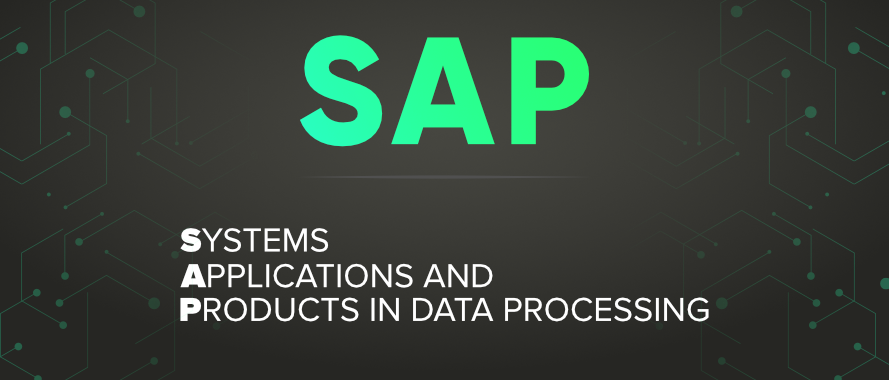
SAP (Systems, Applications, and Products in Data Processing) is a German-based multinational corporation that provides an integrated suite of enterprise software designed to help businesses manage their operations, from finance and human resources to logistics and customer relationships. Since its inception in 1972, SAP has been at the forefront of ERP software, enabling companies across industries to streamline their processes and enhance operational efficiency.

At its core, SAP’s goal is to eliminate the complexity of running an enterprise by providing real-time insights, automation, and seamless integration of business functions. With its modular architecture, SAP allows businesses to select specific solutions that best fit their needs, and expand as they grow, making it an ideal choice for organizations of all sizes.


The Digital Transformation and SAP’s Role

The ongoing digital transformation is pushing companies to adopt new technologies to stay competitive. The need to innovate, integrate new data streams, and respond quickly to changes in the market has made traditional ways of doing business obsolete. SAP addresses these challenges head-on by providing the technology necessary for companies to adapt and thrive in a digital-first world.

1. Integration of Business Functions

SAP's greatest strength lies in its ability to integrate diverse business functions, such as finance, procurement, production, and sales, into a single cohesive system. Instead of relying on disconnected software solutions that may operate in silos, SAP provides a unified platform where all business data can be accessed and analyzed in real time. This integration improves operational efficiency by eliminating duplication of effort, reducing errors, and enabling faster decision-making.

2. Data-Driven Insights for Smarter Decisions

In today’s data-driven world, having access to real-time data is crucial for making informed business decisions. SAP’s robust data analytics tools allow businesses to capture, analyze, and visualize data from various sources, transforming raw data into actionable insights. Whether it’s analyzing financial performance, understanding customer behavior, or predicting inventory levels, SAP’s analytics capabilities empower companies to make smarter decisions that drive business growth.

3. Automation of Routine Processes

SAP helps businesses automate repetitive tasks, such as invoice processing, inventory management, and order fulfillment, allowing employees to focus on higher-value activities. This automation reduces manual effort, minimizes the risk of human error, and accelerates business processes. By increasing operational efficiency, SAP enables businesses to save both time and money while improving overall performance.


Key Benefits of SAP for Modern Businesses

SAP’s comprehensive suite of tools provides a wide range of benefits for businesses in all industries. From improving efficiency to reducing costs, here are some of the key advantages of implementing SAP:

1. Operational Efficiency

One of the most immediate benefits of SAP is its ability to improve operational efficiency. By streamlining business processes and integrating various functions, SAP eliminates the need for manual interventions, reduces errors, and speeds up workflows. This leads to faster decision-making and ensures that businesses can deliver better customer experiences.

2. Better Financial Management

With SAP’s robust financial management features, businesses can monitor cash flow, track expenses, and manage accounting processes with greater accuracy and efficiency. The software supports various accounting standards, including international financial reporting standards (IFRS), helping companies ensure compliance with global financial regulations. SAP’s financial tools also provide real-time reporting, giving decision-makers the information they need to optimize financial performance.

3. Customer-Centric Approach

SAP helps businesses improve customer relationships by providing tools for customer relationship management (CRM), sales automation, and customer service. By consolidating customer data into one system, businesses can offer personalized services, track customer interactions, and respond more effectively to customer needs. This customer-centric approach strengthens customer loyalty and drives long-term success.

4. Supply Chain Optimization

Managing a complex supply chain can be challenging, especially for large businesses. SAP’s supply chain management (SCM) tools help businesses optimize procurement, inventory, production, and logistics, ensuring that materials and products are available when needed, without excess inventory. This results in reduced lead times, lower operational costs, and greater flexibility in responding to market demands.

5. Scalability and Growth

SAP’s modular design allows businesses to start with the functionalities they need and expand as they grow. Whether you’re managing a small team or running a global enterprise, SAP provides scalable solutions that evolve with your business. This makes 云端 erp an ideal choice for businesses looking for long-term growth and flexibility in their software solutions.


SAP S/4HANA: The Next Generation of ERP Systems

SAP S/4HANA is the latest version of SAP's ERP suite and is designed to meet the needs of modern businesses. Built on the powerful in-memory computing platform SAP HANA, S/4HANA offers faster processing speeds, advanced analytics, and a more intuitive user interface compared to previous versions of SAP.

With SAP S/4HANA, businesses can process large volumes of data in real time, enabling faster decision-making and better insights into business performance. The software is also cloud-ready, which allows businesses to benefit from cloud computing's scalability and cost-efficiency.


SAP Implementation: A Strategic Approach

While the benefits of SAP are clear, implementing the system can be complex and requires careful planning and execution. Here are some key steps businesses should take to successfully implement SAP:

1. Needs Assessment

Before implementing SAP, businesses should conduct a thorough needs assessment to determine which modules and functionalities are required to meet their specific objectives. This involves understanding the business processes that need to be optimized and identifying areas where SAP can provide the most value.

2. Customization

SAP offers flexibility through its modular structure, but customization may be necessary to ensure the system aligns with the unique needs of the business. Customization involves configuring SAP’s modules, workflows, and reporting tools to suit the specific requirements of the organization.

3. Training and Support

Ensuring that employees are properly trained to use SAP is crucial for successful implementation. A well-structured training program can help employees become familiar with the system and understand how to leverage its features. Ongoing support is also essential to address any issues that may arise after the system is live.

4. Go-Live and Continuous Improvement

Once SAP is implemented, the system should be continuously monitored and optimized. Regular updates, performance checks, and user feedback will help businesses maximize SAP’s potential and ensure it continues to meet evolving business needs.


Conclusion: SAP as a Catalyst for Business Success

In the digital age, businesses must be agile, efficient, and data-driven to stay competitive. SAP provides the tools necessary to meet these challenges head-on, offering a comprehensive suite of solutions that improve operational efficiency, enhance decision-making, and support growth. Whether you're looking to optimize your financial management, streamline your supply chain, or enhance customer relationships, SAP offers the flexibility and scalability to meet your needs.

By adopting SAP, businesses can unlock new opportunities, drive innovation, and navigate the complexities of the digital era. While implementing SAP requires careful planning and expertise, the long-term benefits—ranging from improved efficiency to reduced costs—make it a worthwhile investment for any organization looking to succeed in today’s fast-paced business environment.


The Importance of Drainage Cleansing: Maintaining a Healthy and Functional Plumbing SystemThe Importance of Drainage Cleansing: Maintaining a Healthy and Functional Plumbing System

A drainage system is one of the most essential components of any home or commercial property. It quietly works behind the scenes to prevent flooding, remove wastewater, and ensure your environment remains clean and dry. However, like any system, drainage pipes are prone to problems, and regular maintenance is crucial to ensure that they function optimally. Drainage cleansing is an often-overlooked aspect of home maintenance, but it plays a vital role in preserving your property and preventing future plumbing headaches. In this article, we'll explore the significance of drainage cleansing, the potential risks of neglected drains, and how to maintain a clear, efficient drainage system.


Why Drainage Cleansing is Crucial for Your Home

  1. Prevents Clogs and Blockages

    One of the most common issues homeowners face is clogged drains, which can lead to slow drainage, unpleasant odors, and even plumbing backups. Blockages can occur from a variety of materials, including food scraps, grease, hair, soap scum, and even tree roots. If these blockages are left unchecked, they can escalate into more severe plumbing problems, requiring expensive repairs. 浴室臭味 helps to eliminate buildup and ensures that wastewater flows freely, reducing the risk of clogs and their associated issues.

  2. Minimizes the Risk of Flooding

    A well-maintained drainage system helps prevent flooding by ensuring that rainwater and wastewater are efficiently directed away from your property. However, when drains are blocked, water can back up and overflow, leading to flooding in your basement, yard, or around the foundation of your home. Over time, stagnant water can cause significant damage to your property’s foundation, resulting in costly repairs. Regular drainage cleansing reduces the risk of blockages and flooding, protecting your home from water damage.

  3. Improves Indoor Air Quality

    Stagnant water inside your drainage pipes creates an ideal environment for mold and bacteria to grow. Mold spores and bacteria can negatively impact indoor air quality, leading to unpleasant odors and potential health problems, including allergies, asthma, and respiratory infections. A clean drainage system helps eliminate these potential health hazards by preventing the growth of mold and bacteria inside the pipes, creating a healthier living environment.

  4. Protects the Structure of Your Property

    Drainage problems, if left untreated, can undermine the structure of your property. Water that pools around the foundation can cause the soil to erode, weakening the foundation of your home and leading to cracks in the walls, floors, and ceilings. If your plumbing system is compromised due to blockages or leaks, the resulting water damage can seep into the walls and cause significant structural issues. Drainage cleansing helps maintain the integrity of your property by ensuring water is efficiently removed and directed away from the foundation.

  5. Prevents Unpleasant Odors

    Clogged drains often produce foul odors as organic material breaks down within the pipes. Food particles, grease, soap scum, and hair can accumulate over time, creating a breeding ground for bacteria. This can lead to unpleasant smells in your kitchen, bathroom, and other areas where water drains. Drainage cleansing removes the debris and buildup in your pipes, eliminating bad odors and keeping your home smelling fresh.


Common Causes of Drain Blockages

To understand how drainage cleansing works, it’s helpful to know what causes blockages in the first place. Here are some of the most common culprits:

  1. Grease and Cooking Oils

    Many people make the mistake of pouring cooking oils and grease down the kitchen sink. While these substances may be liquid when hot, they solidify as they cool, creating clogs in your pipes. Grease can build up on the interior of your pipes, collecting food particles and debris, resulting in serious blockages.

  2. Hair and Soap Scum

    Hair is a major contributor to clogged drains, particularly in the bathroom. As hair strands accumulate, they can get caught in soap scum and create a dense mass that prevents water from flowing freely. Regularly cleaning bathroom drains can help prevent hair buildup and keep your pipes clear.

  3. Food Waste

    Kitchen drains are often blocked by food waste, such as vegetable peels, coffee grounds, or pasta. While some food scraps may go down the drain without issue, others can accumulate and form stubborn blockages. To prevent this, it’s essential to use a strainer to catch food waste and dispose of it properly.

  4. Foreign Objects

    In toilets, foreign objects such as wet wipes, paper towels, and sanitary products are often flushed, causing significant blockages. These items are not designed to break down in water and can quickly obstruct your plumbing system. Always dispose of these items in the trash to prevent costly toilet clogs.

  5. Tree Roots

    Tree roots can infiltrate underground pipes, especially if there are existing cracks or weak spots. Roots are drawn to the moisture in the pipes, and over time, they can cause significant blockages. Root intrusion can be difficult to detect, and it may require professional help to remove the roots and repair the affected pipes.


Methods of Drainage Cleansing

There are several methods to cleanse and maintain a healthy drainage system. The best method will depend on the severity of the blockage and the type of drainage system you have. Here are some common drainage cleansing techniques:

  1. Snaking or Augering

    A plumbing snake, also known as an auger, is a long, flexible tool that can be used to remove minor blockages. The snake is inserted into the drain and rotated to break up the clog. This method is ideal for localized clogs caused by hair or small food particles.

  2. Hydro-Jetting

    Hydro-jetting is a highly effective method for clearing stubborn blockages. This technique involves blasting high-pressure water through the pipes to break up clogs and clean the pipes. Hydro-jetting is particularly useful for clearing grease buildup, tree roots, and other debris that regular snaking may not be able to handle.

  3. Enzyme Drain Cleaners

    Enzyme-based drain cleaners are a natural, environmentally friendly way to maintain your pipes. These cleaners contain enzymes or bacteria that digest organic material inside your pipes, such as food particles, grease, and soap scum. They are safer for your plumbing system compared to harsh chemical cleaners and can be used regularly to keep your drains clear.

  4. Chemical Drain Cleaners

    Chemical drain cleaners are powerful agents designed to dissolve clogs caused by organic material. While effective, they can be harsh on your pipes and should be used sparingly. Overuse of chemical cleaners can lead to pipe corrosion and other damage to your plumbing system. Always follow the manufacturer’s instructions and use these products cautiously.

  5. CCTV Drain Inspections

    If you’re experiencing persistent drainage problems or suspect hidden issues, a CCTV drain inspection can be a useful diagnostic tool. A small camera is inserted into the pipes to inspect the interior and identify blockages, cracks, or tree root intrusion. This non-invasive method helps locate problems early and allows for precise solutions.


Preventative Maintenance for a Clear Drainage System

Preventing clogs and blockages is far easier (and cheaper) than dealing with major drainage problems down the line. Here are a few tips for maintaining a clear and efficient drainage system:

  1. Dispose of Grease Properly

    Never pour cooking grease or oils down the drain. Instead, let them cool and dispose of them in the trash or compost bin. You can also use a grease trap to collect excess oils before they go down the drain.

  2. Use Drain Screens

    Install mesh drain screens in sinks, showers, and bathtubs to catch hair, food particles, and other debris before they enter the pipes. Clean the screens regularly to prevent clogs from forming.

  3. Be Mindful of What You Flush

    Only flush toilet paper and human waste down the toilet. Never flush wet wipes, paper towels, cotton balls, or feminine hygiene products, as these can cause blockages in the pipes.

  4. Clean Gutters and Downspouts

    Regularly clean your gutters and downspouts to prevent leaves and debris from clogging outdoor drains. Make sure water flows freely from the roof and away from the foundation to prevent water damage.

  5. Schedule Professional Drain Inspections

    Regular professional inspections can catch potential problems early. Plumbers can identify issues like tree root intrusion, pipe corrosion, or minor clogs before they become major problems. Scheduling an inspection every few years can save you from costly repairs down the road.


Conclusion

Drainage cleansing is a crucial element of home maintenance that many homeowners overlook. By ensuring that your drainage system is clean and functioning efficiently, you can prevent water damage, avoid unpleasant odors, and maintain the overall health of your home. Regular maintenance, whether through DIY methods or professional services, helps keep your pipes clear, reduces the risk of blockages, and extends the lifespan of your plumbing system. Don’t wait until a blockage causes a major problem—take action today to keep your drains flowing smoothly and your home safe from water damage.

Ensuring Comfort and Care for Our Seniors: The Importance of Elderly Support ServicesEnsuring Comfort and Care for Our Seniors: The Importance of Elderly Support Services

As our loved ones age, it becomes increasingly important to ensure they have access to the support and care they need to maintain their health, safety, and overall well-being. At ElderlyDB.hk, we recognize the importance of providing quality care options for seniors in Hong Kong. Our platform is designed to assist families in finding the most suitable elderly care services, whether it’s residential care, day care, or home care support.

The elderly often have unique healthcare needs that require specialized care, and it’s crucial to choose the right facility or service that can meet those needs. ElderlyDB.hk offers an extensive directory of elderly homes and care providers, with detailed information on available services, amenities, and pricing, allowing families to make informed decisions based on their loved ones’ specific requirements.

Moreover, we understand that navigating the world of elderly 認知障礙症照顧 can be overwhelming, especially when there are financial considerations and emotional factors at play. Our platform provides helpful tools such as cost calculators, subsidy information, and expert advice to ensure families find care solutions that are both effective and affordable.

Whether it’s finding a facility with trained medical staff, a place that provides daily activities and companionship, or a caregiver who can assist at home, ElderlyDB.hk offers the resources to help families make the best possible choices for their elderly loved ones. We believe that every senior deserves respect, care, and comfort in their later years, and we are here to help make that a reality.

Understanding Group Shipping: Benefits, Challenges, and Best PracticesUnderstanding Group Shipping: Benefits, Challenges, and Best Practices

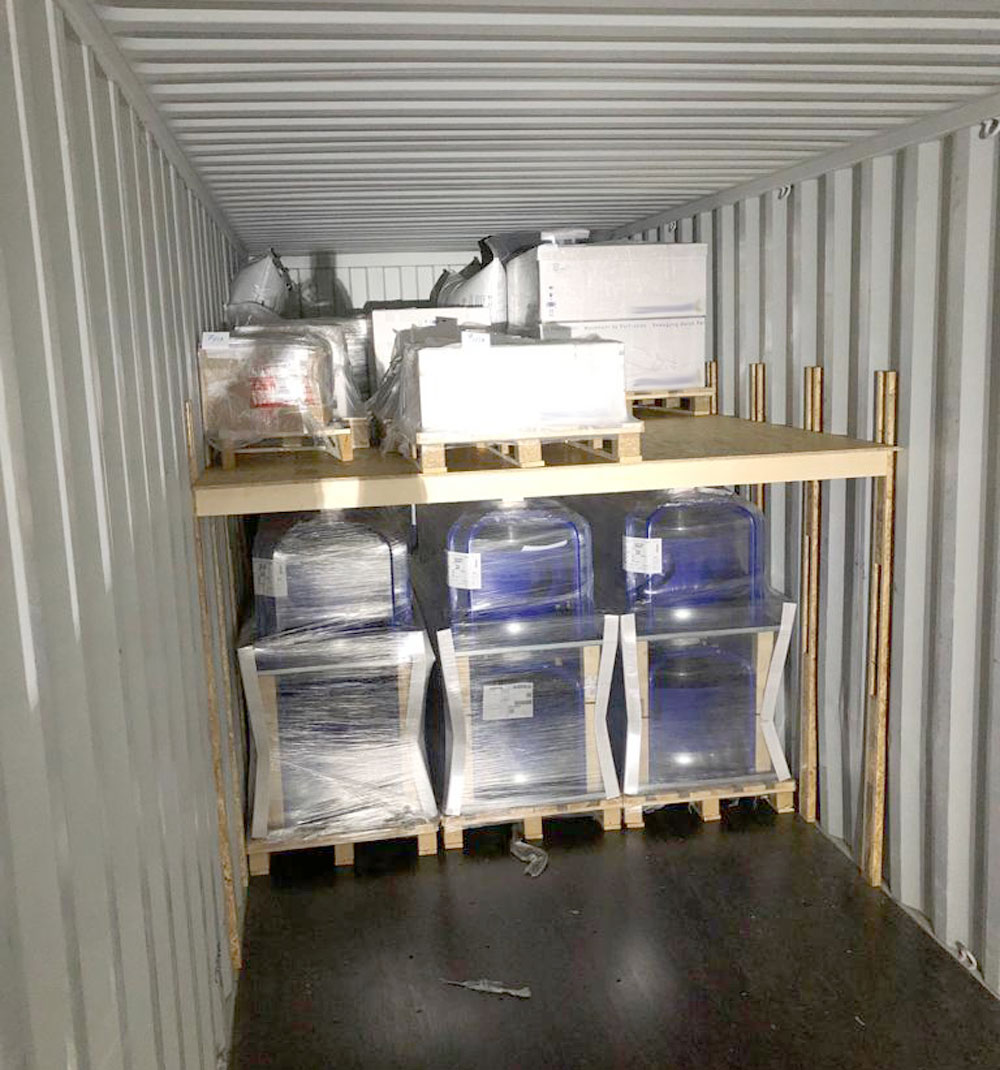
Group shipping is a logistics strategy that involves consolidating multiple shipments from different customers or businesses into a single shipment to optimize costs, efficiency, and environmental impact. This approach is commonly used by e-commerce businesses, wholesalers, and freight companies looking to streamline their operations.

Benefits of Group Shipping

  1. Cost Savings
    One of the primary advantages of group shipping is the reduction in transportation costs. By combining multiple shipments into one, businesses can save on fuel, labor, and packaging expenses. This is particularly beneficial for small and medium enterprises (SMEs) that may not have the volume to negotiate lower shipping rates independently.

  2. Efficiency and Speed
    Consolidating shipments allows logistics providers to optimize delivery routes, reducing transit times and increasing the reliability of delivery schedules.

  3. Reduced Environmental Impact
    Fewer shipments mean fewer trucks on the road, leading to a reduction in carbon emissions. Group shipping contributes to sustainable logistics practices, making it an eco-friendly alternative for businesses.

  4. Better Inventory Management
    Group shipping helps businesses maintain better control over their inventory, as shipments are organized and planned more effectively. This minimizes stock shortages and ensures timely restocking of products.

Challenges of 寵物用品送貨

  1. Coordination Issues
    Managing multiple shipments from different sources requires effective coordination and communication between stakeholders. Any delay from one participant can impact the entire shipment.

  2. Potential for Delays
    Since group shipping depends on consolidating multiple packages, delays in one part of the supply chain can affect the entire process, leading to extended delivery times.

  3. Limited Flexibility
    Unlike individual shipments that can be sent at any time, group shipping requires a predefined schedule. This can be a drawback for businesses that need urgent deliveries.

  4. Risk of Damage
    When multiple shipments are combined, there is a potential risk of damage due to handling, improper packaging, or stacking issues.

Best Practices for Implementing Group Shipping

  1. Partner with Reliable Logistics Providers
    Working with experienced and reputable logistics providers ensures smooth coordination and minimizes risks associated with delays and damages.

  2. Use Advanced Tracking Systems
    Implementing real-time tracking technology can help monitor shipments, allowing businesses to proactively manage any potential issues.

  3. Optimize Packaging
    Proper packaging techniques, such as using sturdy materials and cushioning fragile items, can reduce the risk of damage during transportation.

  4. Schedule Regular Shipments
    Establishing a consistent group shipping schedule ensures predictability and allows businesses to plan inventory replenishments accordingly.

  5. Leverage Technology
    Automated logistics software can streamline the shipping process, improving efficiency in scheduling, tracking, and managing group shipments.

Conclusion

Group shipping is an effective strategy for businesses looking to optimize costs, improve efficiency, and reduce their environmental footprint. While there are challenges associated with coordination and flexibility, implementing best practices such as working with reliable partners, leveraging technology, and optimizing packaging can help businesses maximize the benefits of this logistics approach. As e-commerce and global trade continue to grow, group shipping will play a crucial role in shaping the future of sustainable and cost-effective supply chain management.