Author: Millermarker

The Essence of Jersey Design in SportsThe Essence of Jersey Design in Sports

Jersey design is an art that merges aesthetics, functionality, and team identity. A well-designed jersey reflects the spirit of a team, tells its story, and strengthens the connection between players and fans. Beyond being sportswear, it serves as a symbol of pride, unity, and cultural identity, making it an essential element of modern sports.

How the Design Process Begins

Designing a jersey starts with research and concept development. Designers study the team’s colors, logos, and legacy to create a design that is both authentic and innovative. Through sketches, digital mock-ups, and prototypes, they explore patterns, typography, and layout. Understanding how each element works together ensures the 排球隊衫 is visually compelling and functional for athletes.

The Role of Materials in Jersey Design

Material selection is a critical part of the design process. Breathable, moisture-wicking, and flexible fabrics allow players to stay comfortable during intense activity, while durability ensures the jersey withstands repeated use and washing. Choosing the right materials enhances performance, comfort, and the overall look of the jersey, making it an essential design decision.

What Makes a Jersey Memorable

A memorable jersey combines creativity with tradition. Unique colors, patterns, and subtle design details help it stand out while maintaining alignment with the team’s identity. What sets a jersey apart is its ability to inspire pride and loyalty among fans and players, leaving a lasting impression long after the game is over.

That Balance Between Branding and Style

Jerseys often incorporate team logos, sponsor branding, and other promotional elements. That balance is crucial, as it ensures the jersey remains visually appealing without compromising its overall design. A well-designed jersey harmonizes aesthetics, functionality, and branding to enhance both the team’s identity and the fan experience.

How Technology Advances Modern Jersey Design

Modern jersey design benefits greatly from technology. Digital tools allow designers to experiment with colors, patterns, and textures, while 3D modeling ensures accurate sizing and fit. Advanced printing techniques make intricate graphics and vibrant colors possible, creating jerseys that are both visually striking and practical for athletic performance.

The Lasting Impact of a Well-Designed Jersey

A carefully designed jersey leaves a long-lasting impression on players and fans alike. Every detail, from material choice to graphics and color schemes, contributes to its overall impact. Jersey design combines creativity, technology, and tradition, producing uniforms that inspire pride, unity, and loyalty in the world of sports.

Comprehensive Caring Services for Elderly IndividualsComprehensive Caring Services for Elderly Individuals

Providing exceptional caring services for the elderly is a crucial aspect of ensuring their well-being, dignity, and quality of life. As people age, they often require additional support in their daily activities, health management, and emotional well-being. Our professional elderly care services are designed to cater to their diverse needs, offering comprehensive solutions that promote independence, safety, and comfort.

Why Quality Elderly Care Matters

Aging comes with various challenges, including reduced mobility, chronic illnesses, and cognitive decline. Ensuring that seniors receive the right care can significantly enhance their physical and mental health, allowing them to enjoy their golden years with dignity and respect. Our caring services focus on personalized 紓緩治療 plans tailored to each individual’s unique needs, ensuring they receive the best possible support.

Types of Elderly Care Services

1. In-Home Care Services

In-home care allows seniors to remain in the comfort of their own homes while receiving professional assistance. This service includes:

  • Personal care assistance (bathing, grooming, dressing)

  • Meal preparation and dietary support

  • Medication reminders and health monitoring

  • Companionship and emotional support

  • Light housekeeping and mobility assistance

By providing compassionate in-home care, we ensure seniors can maintain their independence while receiving the help they need.

2. Assisted Living Facilities

For those who require more structured support, assisted living facilities offer a balance between independence and professional care. These facilities provide:

  • 24/7 medical and personal assistance

  • Engaging social and recreational activities

  • Nutritious meal plans and dietary supervision

  • Safe and secure living environments

  • Access to on-site healthcare professionals

Our assisted living services are designed to promote a fulfilling lifestyle while ensuring safety and well-being.

3. Memory Care for Dementia and Alzheimer’s

Caring for individuals with dementia or Alzheimer’s requires specialized knowledge and patience. Our memory care services include:

  • Cognitive stimulation therapies

  • Structured daily routines to reduce confusion

  • Specialized medical care and supervision

  • Safe, secure environments to prevent wandering

  • Family support and counseling

With a focus on compassionate and evidence-based care, we aim to improve the quality of life for seniors with cognitive conditions.

4. Respite Care for Family Caregivers

Family caregivers often experience emotional and physical exhaustion while caring for elderly loved ones. Our respite care services provide temporary relief, allowing caregivers to take a break while ensuring their loved ones receive high-quality care. This service includes:

  • Short-term in-home or facility-based care

  • Medical monitoring and assistance

  • Engaging activities to enhance well-being

  • Flexible scheduling to accommodate family needs

By offering reliable respite care, we help families maintain balance and well-being while ensuring their loved ones are in safe hands.

Health and Wellness Programs for Seniors

1. Physical Therapy and Rehabilitation

Aging can lead to mobility issues and physical limitations. Our physical therapy programs focus on:

  • Pain management and mobility improvement

  • Fall prevention strategies

  • Customized exercise routines for strength and flexibility

  • Post-surgical rehabilitation

These therapies help seniors maintain independence and improve their quality of life.

2. Mental and Emotional Well-being Programs

Mental health is equally important in elderly care. Our wellness programs include:

  • Counseling and therapy sessions

  • Group social activities to prevent isolation

  • Mindfulness and relaxation techniques

  • Art and music therapy

By prioritizing mental well-being, we help seniors lead happier and more fulfilling lives.

3. Nutritional Support and Meal Planning

A balanced diet is essential for healthy aging. Our nutritional services include:

  • Customized meal plans based on dietary needs

  • Nutrient-rich food options for optimal health

  • Hydration and dietary supplement guidance

Ensuring proper nutrition helps seniors maintain energy levels, manage chronic conditions, and improve overall health.

Choosing the Right Elderly Care Service

Selecting the best care for a loved one can be overwhelming. Consider the following factors:

  • Level of care needed (personal assistance, medical supervision, memory care, etc.)

  • Living preferences (home care vs. assisted living)

  • Medical conditions and required support

  • Budget and financial considerations

  • Reputation and experience of the care provider

Our comprehensive elderly care services are designed to accommodate a wide range of needs, ensuring that seniors receive the best possible support and attention.

Conclusion: Ensuring Quality of Life for Seniors

Providing exceptional elderly care requires dedication, expertise, and compassion. Our caring services are designed to offer personalized, high-quality support that enhances the lives of seniors and their families. Whether through in-home care, assisted living, memory care, or wellness programs, our mission is to promote dignity, independence, and well-being for every senior we serve.

Psychological Counseling: A Path to Emotional Well-beingPsychological Counseling: A Path to Emotional Well-being

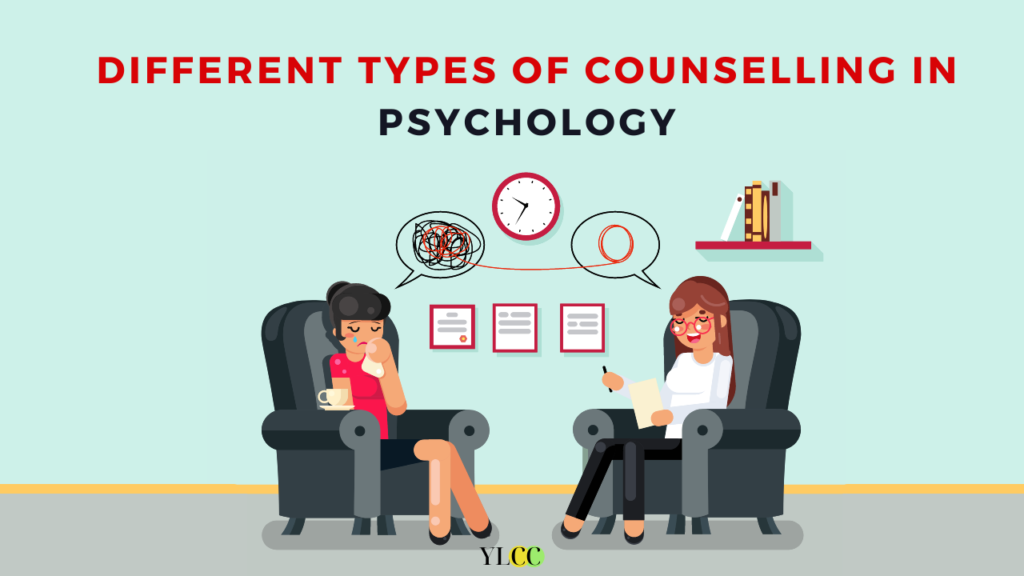
Mental health is a crucial part of overall well-being, yet it is often overlooked. Psychological counseling provides individuals with the tools and support they need to navigate life’s challenges, improve emotional health, and develop a stronger sense of self-awareness. Seeking professional help is an empowering step toward achieving mental wellness and personal growth.

Understanding Psychological Counseling

Psychological 臨床心理學家 is a structured process where licensed therapists help individuals address emotional, behavioral, and mental health concerns. Through a series of conversations and therapeutic techniques, counseling helps individuals identify challenges, develop coping strategies, and enhance their quality of life.

Types of Psychological Counseling:

  1. Individual Therapy – Personalized sessions that focus on self-improvement and mental health management.

  2. Group Therapy – Provides support and shared experiences with others facing similar challenges.

  3. Couples Counseling – Helps partners resolve conflicts and strengthen their relationships.

  4. Family Therapy – Addresses family dynamics and improves communication among members.

  5. Cognitive Behavioral Therapy (CBT) – A structured approach to changing negative thought patterns.

  6. Trauma-Informed Counseling – Provides support for individuals coping with past traumatic events.

Key Benefits of Psychological Counseling

1. Emotional Support and Mental Clarity

Speaking with a therapist provides a safe space to express emotions, process experiences, and gain a deeper understanding of oneself.

2. Stress and Anxiety Reduction

Therapists teach effective stress-management techniques that help individuals cope with anxiety and overwhelming emotions.

3. Improved Relationships

Counseling enhances communication skills, fosters understanding, and helps individuals build stronger personal and professional relationships.

4. Self-Discovery and Personal Growth

Through therapy, individuals develop greater self-awareness, recognize their strengths, and work towards self-improvement.

5. Enhanced Problem-Solving Skills

Counseling provides practical tools to help individuals make better decisions and handle conflicts effectively.

When to Seek Psychological Counseling

If you experience persistent emotional distress, difficulty managing daily activities, or strained relationships, professional counseling can help. Some common indicators include:

  • Overwhelming feelings of sadness or hopelessness

  • Struggles with self-esteem or confidence

  • Frequent mood swings or emotional outbursts

  • Difficulty managing stress or anxiety

  • Challenges in personal or professional relationships

How to Choose the Right Counselor

Selecting a therapist who aligns with your needs is essential for a successful therapy journey. Consider the following factors:

  • Credentials & Licensing – Ensure the therapist is properly certified and experienced.

  • Specialization – Choose a therapist with expertise in your specific concerns.

  • Therapeutic Approach – Different methods work for different people; find one that fits your needs.

  • Comfort Level – A strong connection with your therapist fosters openness and progress.

Conclusion

Psychological counseling is a powerful tool for improving mental and emotional well-being. Whether you’re facing personal challenges, relationship issues, or emotional struggles, therapy provides the necessary support and strategies to overcome obstacles. Seeking help is a courageous step toward a healthier, more fulfilling life. If you're looking for professional psychological counseling, visit Dr. Amos Cheung’s website for expert guidance and support.

The Power of Charity: Transforming Lives and Building CommunitiesThe Power of Charity: Transforming Lives and Building Communities

Charity is an essential part of human life, embodying the values of compassion, kindness, and empathy. Throughout history, acts of charity have been integral to societies, uniting individuals across cultures and religions in their efforts to help those less fortunate. In today's rapidly changing world, charity has evolved from simple acts of giving into a powerful force for social transformation, capable of reshaping not just individual lives but entire communities. This article explores the importance of charity in modern society, its impact on individuals and communities, and the way it continues to shape the future.

The Meaning of Charity in the 21st Century

At its core, charity is about giving to others with no expectation of anything in return. Whether it involves donating money, time, or resources, the act of charity serves as an expression of solidarity with those who face hardship. Traditionally, charity was seen as a moral duty—a religious obligation or a social responsibility. Today, while those elements still exist, charity has expanded to include various forms of engagement, including online fundraising, global humanitarian efforts, and even social entrepreneurship.

The modern world has seen a shift in how we perceive charity. It’s no longer only about alleviating immediate needs but about fostering long-term change. It’s about addressing the root causes of poverty, inequality, and injustice to create more sustainable, empowering solutions. The essence of charity now involves not just giving but also creating systems that uplift people and provide them with the tools they need to improve their own lives.

The Role of Charity in Building Stronger Communities

Charity, at its most impactful, builds communities. Communities thrive when individuals come together to care for one another, whether through financial contributions, volunteer work, or simply offering a helping hand. It’s this sense of collective responsibility that creates a bond between people, especially in times of crisis.

Local charities often become the lifeblood of their communities, providing services like food banks, shelters, and education programs that are crucial to the well-being of vulnerable populations. By addressing basic needs, these charitable organizations free people from the constant stress of survival, enabling them to focus on their future. This ripple effect not only improves the lives of those directly impacted but also strengthens the entire community.

For instance, a community that invests in education through charitable initiatives lays the groundwork for a brighter future. Educational charities provide scholarships and mentoring programs, helping young people rise above their circumstances. As these individuals grow into educated, successful members of society, they, in turn, give back to their communities, perpetuating the cycle of improvement and empowerment.

Charity as a Tool for Personal Fulfillment

While charity is primarily focused on helping others, it also provides a sense of fulfillment and purpose to those who give. Many people who engage in charitable acts experience increased levels of happiness, satisfaction, and well-being. This is often referred to as the "helper's high"—the psychological and emotional boost that comes from helping others.

This positive impact is not just anecdotal. Research shows that charitable giving is associated with lower stress, improved mental health, and a greater sense of social connectedness. Giving also helps individuals develop empathy, as it encourages them to see the world through the eyes of others. The act of charity fosters a sense of shared humanity, creating deeper bonds between people, regardless of their backgrounds.

Moreover, charity can strengthen relationships. Whether through volunteerism, collaborative fundraising, or collective problem-solving, charity creates opportunities for individuals to connect over a shared goal. These connections, often formed in the context of giving, lead to long-lasting friendships and a stronger, more cohesive society.

The Changing Landscape of Charity: The Rise of Technology and Social Media

In the digital age, technology has radically transformed the way charity operates. Online platforms like GoFundMe, Kickstarter, and Patreon have made it easier than ever to contribute to causes that matter to us. Charitable donations, once limited to physical collection boxes or bank transfers, can now be made with a few clicks, reaching a global audience in seconds.

Social media has also played a significant role in promoting charitable causes. Platforms like Facebook, Twitter, and Instagram allow individuals and organizations to raise awareness about social issues, mobilize support, and even raise funds in real time. Viral fundraising campaigns have become common, where thousands of people contribute small amounts to make a large difference. Charitable organizations now have access to global networks, allowing them to reach a wider pool of potential donors.

The rise of technology has also made charitable work more transparent. Donors can track the use of their contributions in real time, ensuring that funds are allocated properly. This transparency builds trust with donors, motivating them to give and support causes they believe in.

Social Entrepreneurship: Blending Charity with Business

One of the most exciting developments in modern 遺產捐贈基金會 is the rise of social entrepreneurship. Social entrepreneurs are individuals who use innovative business models to address societal challenges. They leverage their entrepreneurial skills to create sustainable solutions to problems like poverty, lack of access to education, and environmental degradation. These businesses are not just about profit; they aim to generate social value by solving some of the world’s most pressing problems.

Microfinance, one of the most well-known examples of social entrepreneurship, has helped millions of people in developing countries start small businesses and become financially independent. By providing access to small loans, microfinance institutions empower individuals to build a better future, creating a long-lasting impact on their families and communities.

Other examples of social entrepreneurship include fair-trade businesses, which ensure that producers in developing countries receive fair compensation for their work, and environmental startups that work to address climate change through green technologies. These models blend charity with innovation, creating sustainable solutions that address the root causes of social issues.

Charity on a Global Scale: Tackling the World’s Most Urgent Problems

Charity is not confined to local or national borders. In a globalized world, charitable organizations now work on an international scale to tackle issues like global poverty, human rights abuses, and climate change. These challenges are vast and complex, but charitable organizations are increasingly stepping up to create systemic change.

For instance, organizations like the United Nations, Doctors Without Borders, and the Red Cross provide essential humanitarian aid during crises like natural disasters, wars, and pandemics. They offer food, medical care, and shelter to those displaced by conflict and disaster. Beyond immediate relief, these organizations also work to address the long-term challenges faced by affected populations, such as rebuilding infrastructure and providing education.

On the global scale, charities also work to address systemic issues like poverty, hunger, and climate change. Climate-focused charities, for example, advocate for policy changes, raise awareness about the environmental crisis, and fund renewable energy projects. By targeting the root causes of these issues, these organizations strive to create a better, more sustainable future for all.

The Challenges of Charity and the Need for Strategic Action

While charity is an important tool for change, it is not without its challenges. One of the key concerns is ensuring that charitable donations are used effectively. The potential for fraud or mismanagement of funds can undermine the effectiveness of charitable efforts. It is important for donors to research organizations carefully and ensure that their contributions are being used appropriately.

Moreover, charity should be seen as part of a larger effort to create systemic change. It’s crucial that charity organizations, governments, and businesses work together to address the root causes of social issues rather than merely providing temporary relief. True change requires collaboration and a long-term commitment to finding sustainable solutions.

Conclusion: Charity as a Pathway to a Better Future

Charity is much more than a simple act of giving—it is a force that drives change, connects people, and empowers communities. In a world often divided by differences, charity is a reminder that we share a common humanity and that we are all responsible for the well-being of others. Whether through local volunteerism, online donations, or global humanitarian work, charity has the power to transform lives and create a better world for everyone.

As we move into the future, charity will continue to evolve, leveraging technology and innovative business models to tackle the world’s most pressing challenges. The power of charity lies not only in what we give but in the way we work together to build a better, more just world for future generations.

Exploring the World of Adult Toys: A Guide to Pleasure and WellnessExploring the World of Adult Toys: A Guide to Pleasure and Wellness

In recent years, adult toys have become increasingly popular as people embrace sexual wellness and self-exploration. With advances in technology and a broader acceptance of pleasure as a part of overall well-being, these products have evolved from being taboo to essential items in many households. Whether for solo pleasure or enhancing intimacy with a partner, adult toys offer numerous benefits that cater to different needs and desires.

This article delves into the world of adult toys, exploring their benefits, different categories, how to choose the right one, and the latest industry innovations.

The Benefits of Using Adult Toys

1. Enhancing Pleasure and Sexual Wellness

One of the primary reasons people use adult toys is to enhance sexual pleasure. These products can help individuals explore their bodies, discover new erogenous zones, and experience more fulfilling orgasms.

2. Strengthening Relationships and Intimacy

Couples can use adult toys to add variety to their intimate experiences, improving communication and deepening their connection. Introducing toys into the bedroom can help partners explore new sensations and keep their sex lives exciting.

3. Addressing Sexual Health Concerns

For individuals experiencing issues like erectile dysfunction, low libido, or vaginal dryness, certain adult 陰蒂吸啜器 provide therapeutic benefits. Devices designed for pelvic floor exercises, for example, help with muscle strengthening and overall sexual health.

4. Stress Relief and Mental Well-Being

Orgasms trigger the release of endorphins, which promote relaxation and reduce stress. Regular sexual activity, whether with a partner or through solo play, contributes to improved mental well-being.

Types of Adult Toys

1. Vibrators

Vibrators are among the most popular adult toys, offering different levels of stimulation through pulsations and vibrations. They come in various styles, from bullet vibrators for precise stimulation to wand vibrators for powerful sensations.

2. Dildos

Dildos provide penetration and come in a variety of shapes, sizes, and materials. Some are realistic, while others feature artistic designs for unique sensations.

3. Male Stimulation Devices

Toys such as strokers, suction-based toys, and automated masturbators cater to male pleasure, offering a range of textures and sensations that mimic real-life experiences.

4. Anal Toys

From butt plugs to prostate massagers, anal toys provide pleasure and can also have health benefits, such as improving prostate health in men.

5. BDSM and Sensory Play Toys

For those interested in kink, items like blindfolds, handcuffs, and whips enhance power dynamics and sensory experiences in the bedroom.

6. Smart and App-Controlled Toys

Technology has revolutionized adult toys, with app-controlled vibrators and remote-controlled devices allowing couples to enjoy intimacy even from a distance.

Choosing the Right Adult Toy

2. Strengthening Relationships and Intimacy

0

Think about what sensations you enjoy and whether you want a toy for solo use, couples’ play, or therapeutic benefits.

2. Strengthening Relationships and Intimacy

1

Always choose toys made from non-toxic, hypoallergenic materials like medical-grade silicone, glass, or stainless steel to ensure safety and hygiene.

2. Strengthening Relationships and Intimacy

2

For those seeking privacy, many manufacturers offer whisper-quiet designs that allow for discreet pleasure.

2. Strengthening Relationships and Intimacy

3

Reputable brands prioritize safety, durability, and customer satisfaction. Checking reviews can provide insights into product effectiveness and user experiences.

Maintaining and Caring for Adult Toys

2. Strengthening Relationships and Intimacy

4

Cleaning toys before and after use with mild soap and water or a specialized cleaner helps maintain hygiene. Storing them in a clean, dry place prolongs their lifespan.

2. Strengthening Relationships and Intimacy

5

Rechargeable toys should be charged according to manufacturer guidelines to ensure longevity, while battery-operated toys require proper storage to prevent leakage.

2. Strengthening Relationships and Intimacy

6

Using a compatible lubricant enhances comfort and pleasure. Water-based lubricants are safe for all toys, while silicone-based lubes should not be used with silicone toys.

Innovations in the Adult Toy Industry

2. Strengthening Relationships and Intimacy

7

Manufacturers are developing biodegradable and rechargeable products to reduce environmental impact, making pleasure more sustainable.

2. Strengthening Relationships and Intimacy

8

Artificial intelligence and machine learning are being integrated into toys, allowing users to create personalized experiences tailored to their preferences.

2. Strengthening Relationships and Intimacy

9

The industry is becoming more inclusive, designing toys for individuals with disabilities to ensure everyone can experience pleasure.

Conclusion

The world of adult toys is evolving rapidly, offering products that enhance pleasure, promote sexual health, and encourage intimacy. Whether you're exploring solo pleasure or looking to spice things up with a partner, there's a toy for every need and preference.

As the stigma surrounding adult toys continues to fade, more people are recognizing the benefits of incorporating them into their lives. With innovation and inclusivity driving the industry forward, the future of sexual wellness is more exciting than ever.