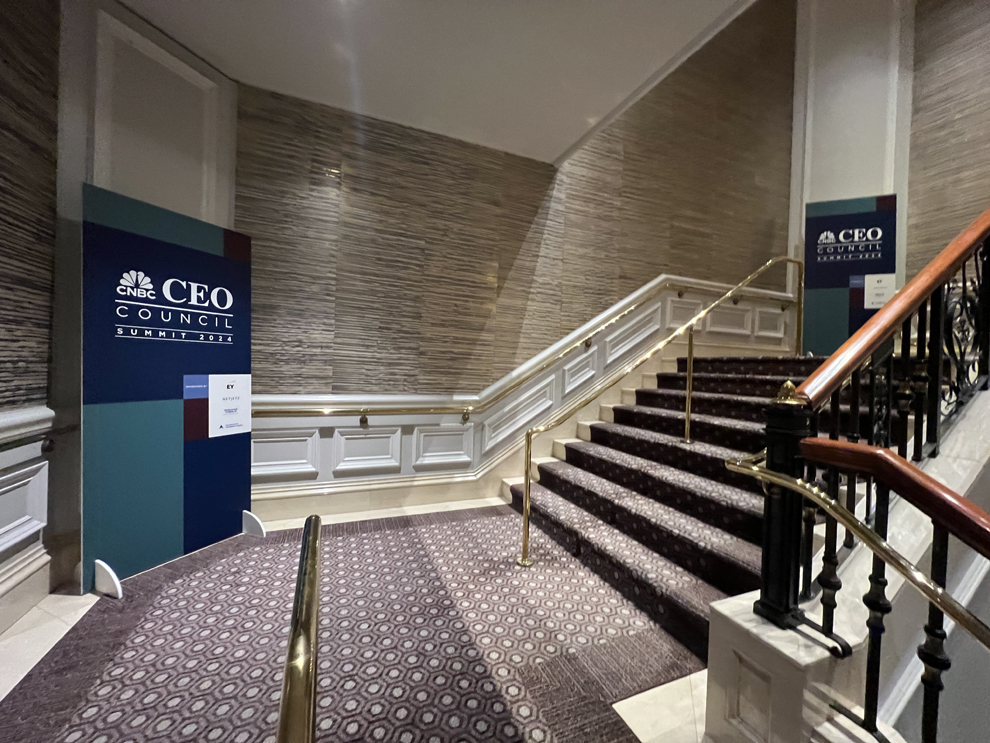
In today’s fast-paced work environment, offices and commercial interiors in Washington, DC are expected to be more than just functional spaces. They are designed to enhance efficiency, support collaboration, and reflect the brand identity of the organization. One of the most overlooked yet highly impactful tools for achieving this balance is the use of directional signs. Directional signage not only guides employees, clients, and visitors through a workplace but also contributes to branding, productivity, and overall workplace satisfaction.
In Washington, DC—where many companies, associations, embassies, and organizations are housed in sprawling buildings—navigating offices without clear guidance can be stressful. This is where Directional Signs Washington DC solutions play a crucial role in transforming how people interact with professional environments. From modern office towers to government agencies, directional signage enhances wayfinding, ensures safety, and strengthens the overall professional aesthetic of workplaces.
What Are Directional Signs?
Directional signs, also referred to as wayfinding signage, are visual cues placed within offices and buildings to help individuals navigate from one point to another. They can include arrows, room numbers, directories, or even digital screens that display directions. While their primary purpose is functional, they also serve a deeper role in shaping the impression of an organization.
In Washington, DC, where corporate campuses, government institutions, and associations often share large buildings, directional signage ensures visitors and staff can efficiently move through the environment without confusion. These signs not only mark pathways but also reflect the brand through design choices like fonts, colors, and materials.
Why Directional Signs Are Essential in Workspaces
Enhancing First Impressions
Visitors walking into a DC office or lobby often form their first impressions within seconds. If they encounter clutter, confusion, or poor navigation, it can impact how they perceive the professionalism of the organization. Clear and strategically placed directional signs create an organized and welcoming environment.
For example, a well-designed lobby directory that reflects a company’s branding instills confidence in visitors and reassures them that they are in the right place. This is particularly important in shared office buildings or coworking spaces common throughout Washington, DC.
Supporting Workplace Efficiency
Time is valuable in any professional environment. Employees and guests should not spend unnecessary minutes trying to locate meeting rooms, departments, or amenities. Directional Signs Washington DC provide seamless navigation, allowing people to focus on the tasks at hand rather than wayfinding challenges.
In larger organizations, directional signage is essential to avoid disruptions. Employees moving between multiple floors or wings can navigate quickly, ensuring meetings and schedules remain efficient.
Strengthening Branding and Identity
While functional, directional signs also offer an opportunity to reinforce an organization’s branding. Incorporating brand colors, logos, and consistent design elements ensures that even signs pointing to restrooms or elevators become part of the workplace’s visual identity.
Brand-consistent signage helps create a unified atmosphere across the office, making the workplace feel intentional and professional. When companies in Washington, DC invest in branding through directional signage, it reflects attention to detail and reinforces trust with clients and partners.
Enhancing Safety and Compliance
Directional signs also play a critical role in workplace safety. Clear signage for exits, stairwells, and emergency evacuation routes is not just a matter of convenience—it’s a legal requirement. Employees and visitors must be able to find their way quickly in case of emergencies.
In Washington, DC offices where regulations and building codes are strictly enforced, investing in compliant directional signage ensures that businesses stay within safety guidelines while protecting employees and guests.
Types of Directional Signs Used in Offices
Lobby Directories
Large office buildings and commercial spaces in DC often house multiple businesses. Lobby directories provide an immediate overview of where each office or department is located.
Wall-Mounted and Hanging Signs
These are common in hallways and corridors, guiding employees and visitors to offices, meeting rooms, or departments.
ADA-Compliant Signs
Accessibility is a vital aspect of modern offices. ADA-compliant directional signs ensure that workplaces are inclusive and meet accessibility standards.
Wayfinding Displays
With advances in technology, many offices now use interactive displays. These provide real-time updates and customizable navigation solutions, perfect for large and dynamic work environments.
Floor Graphics
Simple yet effective, floor graphics guide visitors in high-traffic areas such as lobbies, conference centers, and open office layouts.
The Role of Directional Signs in Washington DC Offices
Washington, DC is a city of diverse organizations—embassies, nonprofits, corporations, and government offices—all of which rely on professional environments to represent their missions. In such settings, Directional Signs Washington DC solutions become indispensable tools for navigation and branding.
For instance, an embassy may use bilingual directional signs to cater to international guests, while a nonprofit might emphasize its mission and colors through its signage. Meanwhile, corporate headquarters in downtown DC can ensure that clients arriving for high-level meetings have a seamless experience navigating through their offices.
How Directional Signs Impact Employee Experience
Employee satisfaction often depends on how well-designed their workspace is. Confusing or poorly marked office layouts can cause stress, reduce productivity, and even lead to late arrivals at meetings. Conversely, clear signage supports a smooth flow, reduces frustration, and fosters a positive work culture.
By investing in directional signage, organizations in DC not only improve visitor experience but also create an environment where employees feel supported and valued. Employees are more likely to focus on their work and collaborate effectively when they don’t face unnecessary challenges navigating their space.
Integrating Branding with Directional Signs
Organizations in Washington, DC often underestimate the power of branding through directional signs. These signs don’t need to be plain or purely functional—they can be designed to reflect the character of the organization.
For example, a creative marketing agency might use bold colors and playful typography on their directional signs, while a law firm may prefer sleek, minimalist signs with polished finishes to reflect professionalism. By aligning signage design with branding, workplaces create cohesive environments that extend beyond logos and websites into the physical workspace.
Choosing the Right Partner for Directional Signs
Professional signage requires expertise in design, fabrication, and installation. This is where trusted providers such as Heritage Signs & Displays come into the picture. With extensive experience creating directional signage in DC offices, they ensure that each sign is not only functional but also an extension of the brand identity.
A reliable signage partner understands the balance between compliance, aesthetics, and durability. In addition, they provide consultation services to recommend the best materials and placement strategies for specific office layouts.
For businesses looking for More Information, they can explore this link to learn more about custom wayfinding and directional signage solutions.
Professional Installation Matters
Designing and fabricating directional signs is only half the process. Proper installation ensures that the signage is positioned for maximum visibility and functionality. Professionals who specialize in Directional Signs Washington DC know how to strategically place signs at decision points—such as intersections, elevator banks, and entryways—to guide visitors effectively.
Incorrect placement or poor installation can reduce the effectiveness of even the most well-designed signage. By partnering with experienced installers, organizations in DC can ensure long-lasting, impactful solutions that support both navigation and branding.
How Directional Signs Support Long-Term Workplace Goals
Directional signage is not just a short-term solution—it is a long-term investment in workplace efficiency and branding. As offices evolve, new departments are added, or spaces are redesigned, signage can be updated to reflect these changes. Modern modular systems and digital solutions make it easier to adapt without disrupting the workplace.
For businesses considering upgrades or new installations, they can Click Here to get started with a trusted local signage provider. These solutions ensure that DC workplaces remain modern, compliant, and user-friendly for years to come.
Conclusion
Directional signage is a vital yet often underestimated component of workplace design in Washington, DC. More than just arrows and labels, these signs create a structured and welcoming environment, enhance branding, improve safety, and support efficiency. From lobby directories to digital wayfinding solutions, directional signs make a significant impact on how employees and visitors experience professional spaces.
In a city as dynamic as Washington, DC, investing in professional signage ensures that organizations project professionalism, inclusivity, and attention to detail. By working with experts like Heritage Signs & Displays, businesses can create directional signage that is not only practical but also a reflection of their identity and values.
Ultimately, Directional Signs Washington DC improve more than navigation—they enhance the entire workplace experience.