In the ever-evolving digital landscape, businesses constantly seek strategies that can maximize their online presence. One approach that has gained significant traction is Results-Based SEO, also known as Performance Based SEO. Unlike traditional SEO models, which often operate on a fixed monthly retainer, results-based SEO focuses on delivering measurable outcomes, such as improved rankings, increased organic traffic, and higher conversion rates. This performance-driven model aligns the interests of businesses and SEO providers, ensuring that both parties are committed to achieving tangible results.
Understanding Results-Based SEO
Results-Based SEO is a model where clients pay for SEO services based on the actual results achieved, rather than paying a flat fee. This approach is particularly appealing for businesses looking to minimize financial risks while ensuring accountability from their SEO partners. The primary goal of this model is to directly tie investment to performance metrics, such as:
- Higher search engine rankings for targeted keywords
- Increased organic traffic
- Improved lead generation and conversions
- Enhanced online visibility in competitive markets
By prioritizing measurable results, companies can make informed decisions about their marketing strategies and ensure that SEO efforts directly contribute to business growth.
How Performance Based SEO Works
Performance Based SEO operates on a results-oriented framework that emphasizes accountability and efficiency. SEO providers typically begin with a comprehensive audit of a website to identify technical issues, content gaps, and opportunities for improvement. From there, they develop a strategy tailored to the business's goals, focusing on areas that will deliver the highest return on investment (ROI).
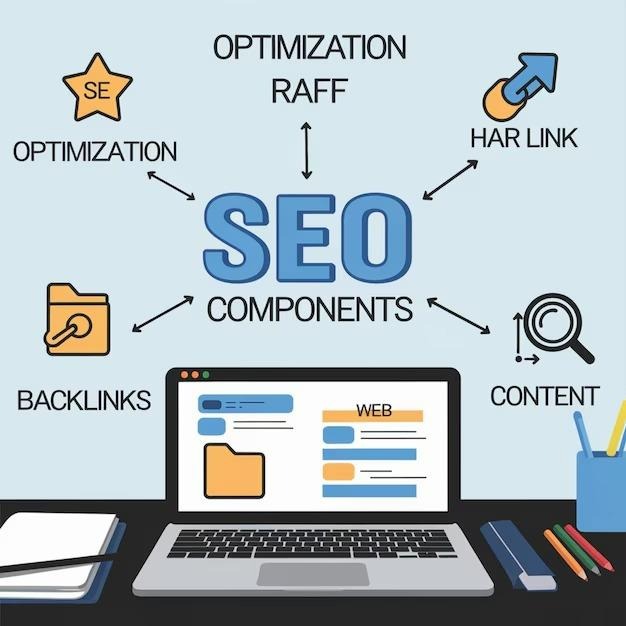
Some key components of Performance Based SEO include:
Keyword Optimization – Identifying high-impact keywords that drive relevant traffic.
Content Strategy – Creating and optimizing content to address user intent and improve search engine rankings.
Link Building – Acquiring authoritative backlinks to boost domain authority.
Technical SEO – Ensuring website structure, loading speed, and mobile responsiveness meet search engine standards.
Performance Tracking – Using analytics tools to monitor traffic, rankings, and conversions continuously.
Since businesses pay based on achieved results, SEO providers are highly motivated to implement strategies that generate measurable outcomes. This structure fosters transparency and encourages continuous improvement.
The Impact on Organic Visibility
Organic visibility refers to how prominently a website appears in search engine results pages (SERPs) without paid advertising. Boosting organic visibility is crucial for attracting quality traffic, establishing credibility, and increasing sales.
Results-Based SEO can significantly enhance organic visibility through targeted strategies:
Improved Rankings: By focusing on high-performing keywords, businesses can achieve higher SERP positions, making it easier for potential customers to find them.
Content Optimization: Well-optimized content attracts both users and search engines, increasing the likelihood of appearing in featured snippets and other SERP features.
Enhanced User Experience: Technical SEO improvements, such as faster page loading and mobile-friendly design, contribute to better rankings and user engagement.
Authority Building: Quality backlink acquisition improves domain authority, signaling to search engines that the website is a trusted source of information.
The result is a virtuous cycle: better rankings lead to increased traffic, which generates more data to refine SEO strategies, further boosting visibility.
Advantages of Choosing Performance-Based SEO
There are several benefits to adopting a results-driven SEO model:
Cost-Effectiveness: Businesses only pay for results achieved, reducing the risk of investing in ineffective strategies.
Accountability: SEO providers are incentivized to deliver measurable outcomes, ensuring transparency and commitment.
Scalable Growth: As results improve, businesses can scale their SEO campaigns to target new markets and audiences.
Focus on ROI: Every action is designed to generate tangible business value, aligning SEO efforts with overall marketing goals.
Adaptability: Strategies can be adjusted in real-time based on performance data, enabling agile responses to market changes.
This model is particularly advantageous for small to medium-sized businesses that need to optimize their marketing budgets while maximizing online visibility.
Potential Challenges and Considerations
While results-based SEO offers numerous benefits, businesses should consider potential challenges before adopting this model:
Long-Term Results: SEO is inherently a long-term strategy, and it may take months to see significant results. Businesses must maintain patience and realistic expectations.
Defining Success Metrics: Clear and agreed-upon KPIs (Key Performance Indicators) are essential to avoid misunderstandings regarding what constitutes a “result.”
Quality vs. Quantity: Focusing solely on rankings without considering traffic quality or user engagement can lead to suboptimal outcomes.
Partnering with a reputable SEO agency, such as JDM Web Technologies, can mitigate these risks. Experienced agencies can craft strategies that balance immediate performance with sustainable long-term growth.
Real-World Examples
Businesses across industries have leveraged Performance Based SEO to achieve remarkable improvements in organic visibility. For instance, an e-commerce company struggling with low search traffic implemented a results-driven SEO strategy focusing on high-value keywords and optimized product descriptions. Within six months, they saw a significant increase in organic traffic and a measurable boost in sales.
Similarly, a service-based business enhanced its local visibility by adopting a performance-focused approach that included local keyword optimization, Google Business Profile management, and authoritative link building. The result was a higher ranking in local search results, leading to more qualified leads and appointments.
These examples demonstrate that when executed correctly, results-based SEO can deliver tangible business outcomes and a strong competitive edge.
Choosing the Right Agency
Selecting the right SEO partner is crucial to achieving desired results. Key factors to consider include:
- Proven track record of delivering measurable results
- Transparent reporting and communication
- Expertise in both on-page and off-page SEO strategies
- Understanding of industry-specific challenges and opportunities
Businesses interested in exploring this model can go to this website to learn more about performance-driven SEO solutions tailored to their unique needs.
Conclusion
In a digital environment where competition is fierce, Performance Based SEO offers a strategic advantage by aligning SEO efforts with measurable business outcomes. By focusing on results rather than flat fees, businesses can enhance their organic visibility, improve rankings, and achieve sustainable growth.
While it requires careful planning, clear communication, and patience, the payoff can be substantial. Companies that embrace results-based SEO are better positioned to navigate search engine algorithms, attract high-quality traffic, and drive long-term success in the online marketplace.
For businesses seeking to maximize ROI and visibility, investing in Performance Based SEO is no longer just an option—it’s a strategic necessity.