
The Rise of Fake Diplomas How to Spot and Avoid Academic FraudThe Rise of Fake Diplomas How to Spot and Avoid Academic Fraud
As you navigate the job market or pursue further education, you’re likely to encounter individuals claiming to hold impressive degrees from prestigious institutions. But how can you be certain that these credentials are genuine? The truth is, fake diplomas have become increasingly sophisticated, making it difficult to distinguish them from the real deal. You might be surprised to learn that even a single misstep in verifying someone’s credentials can have serious consequences. But don’t worry, by knowing what to look for, you can protect yourself from falling victim to academic fraud – and it starts with understanding the anatomy of a fake diploma.
The Anatomy of a Fake Diploma
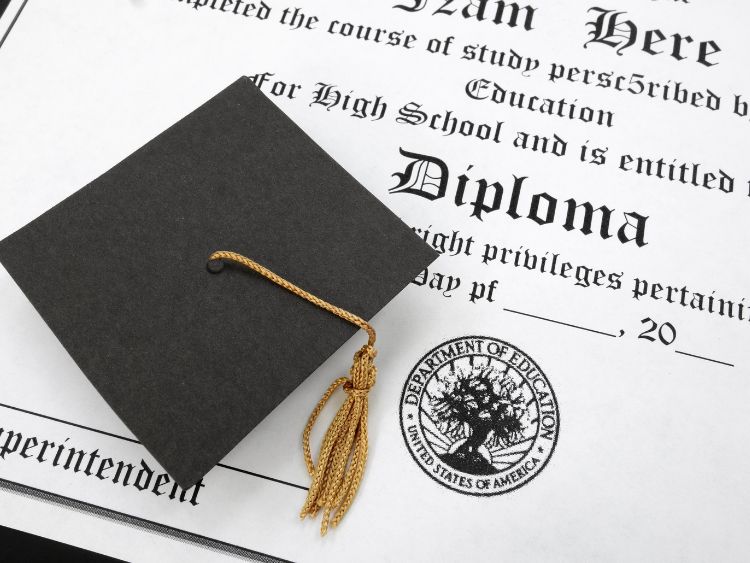
Your fake diploma diploma likely starts with a template, often stolen from a legitimate institution’s website or purchased from a fraudulent online retailer.
This template provides the foundation for the fake degree, complete with the institution’s logo, seal, and formatting. You might be surprised at how realistic it looks, especially if the scammer has done their research.
They’ll often use high-quality paper and printing to give it an authentic feel.
The next step is to fill in your information, including your name, degree, and graduation date.
This is where the scammer gets creative, using fonts and formatting that match the real thing. They might even include fake signatures from the institution’s officials or a fake transcript to make it look more legitimate.
But don’t be fooled – these documents are worthless and can have serious consequences if you’re caught using them.
Red Flags to Watch Out For
As you’re presented with a diploma, it’s vital to scrutinize it carefully.
Look for inconsistencies in the layout, font, and formatting. Fake diplomas often have uneven margins, poor alignment, or mismatched fonts. Check the paper quality, too – genuine diplomas are typically printed on high-quality paper with a distinct texture.
Be wary of diplomas with vague or generic language.
Legitimate institutions usually specify the degree earned, the field of study, and the date of graduation. If the diploma lacks these details or uses overly broad terms, it may be a fake.
Also, examine the signatures and stamps.
Genuine diplomas typically bear the signatures of authorized officials, such as the registrar or dean. The stamps should be clear and well-defined, not blurry or faded. If the signatures or stamps appear sloppy or inconsistent, it’s a red flag.
Finally, check for any typos or grammatical errors – reputable institutions take pride in their documents, and such mistakes are rare.
Verifying Credentials Online
When researching a candidate’s credentials, you’ll likely start with online searches. You can use search engines like Google to look up the candidate’s name, university, and degree to see if anything suspicious comes up.
Check the university’s website to verify the candidate’s attendance and degree. You can also use online databases like the National Student Clearinghouse or the Department of Education’s College Navigator to verify degrees.
Be cautious of fake or unaccredited institutions, as they may have websites that mimic those of legitimate universities. Look for red flags like poor grammar, inconsistencies in the website’s design, or a lack of contact information.
You can also check online directories like the Council for Higher Education Accreditation or the US Department of Education’s list of accredited institutions to verify an institution’s legitimacy.
Remember to also verify the candidate’s credentials through primary sources, such as contacting the university directly or requesting transcripts. Don’t rely solely on online searches, as they can be incomplete or inaccurate.
The Consequences of Academic Fraud
Academic fraud can have far-reaching and devastating consequences for both individuals and organizations.
If you’re found guilty of academic fraud, you’ll face severe penalties, including fines, imprisonment, or both. Your reputation will be tarnished, making it difficult to secure a job or gain admission to another academic institution.
You’ll also risk losing your current job or professional licenses. Moreover, academic fraud can lead to legal action, including lawsuits from employers, educational institutions, or individuals who’ve suffered financial losses due to your fraudulent activities.
You may be required to pay restitution, damages, or other legal fees. Additionally, your academic credentials will be revoked, and you’ll be forced to return any degrees or certifications obtained fraudulently.
Organizations that hire individuals with fake diplomas can also face serious consequences, including legal liability, financial losses, and damage to their reputation.
They may need to invest significant resources in re-verifying the credentials of their employees, which can be time-consuming and costly.
Protecting Yourself From Scams
With the rise of online education and diploma mills, fraudulent activities have become increasingly prevalent, making it crucial for you to take proactive measures to protect yourself from scams.
You must do your due diligence when researching online educational institutions. Check if the institution is accredited by a recognized accrediting agency, and verify the accreditation status on the agency’s website.
Be wary of institutions with poor or no accreditation, as they may be diploma mills.
When interacting with online institutions, don’t provide personal or financial information unless you’re certain it’s legitimate.
Be cautious of unsolicited emails or calls offering degrees or diplomas in exchange for a fee. Legitimate institutions don’t solicit students in this manner.
Additionally, be skeptical of institutions with unprofessional websites, poor grammar, or unrealistic promises of quick and easy degrees.
Remember, if an opportunity sounds too good to be true, it likely is.
Conclusion
You’ve learned how to spot and avoid academic fraud, but it’s crucial to stay vigilant. Remember, a fake diploma can ruin your reputation and career. Always verify credentials online, and be cautious of red flags like poor quality paper and vague language. By being proactive, you’ll protect yourself from scammers and ensure that your hard-earned degree is valued. Stay alert, and don’t let fraudsters undermine the integrity of your education.